Composite Power Group Inc. is an electrical equipment manufacturers’ representative firm that provides technical, hands-on, local sales representation for industry leading companies that supply products and services to the electric power industry.
FEATURED MANUFACTURERS
Latest articles
Power cable diagnostic testing provides utilities with valuable information about the condition of their electrical infrastructure. However, collecting test results is only the beginning. The real value comes from understanding what those results mean and using them to make informed decisions about maintenance, repair, monitoring, and replacement.
A cable that passes a dielectric withstand test is not necessarily free from defects. Similarly, an abnormal diagnostic measurement does not automatically mean that a cable must be replaced.
Different testing methods reveal different aspects of cable condition, and their results must be interpreted in the context of the cable's construction, operating history, environment, and importance to the electrical network.
For utilities managing aging infrastructure, the challenge is to translate technical measurements into practical asset management decisions while balancing reliability, safety, operational risk, and cost.
This article explores how cable diagnostic information can support condition assessment, risk evaluation, maintenance planning, and long-term investment decisions for medium-voltage (MV), high-voltage (HV), and extra-high-voltage (EHV) cable systems.
Modern power cables are designed to deliver reliable electrical service over decades of operation. Yet even well-designed and properly installed cable systems can deteriorate over time, eventually developing defects that compromise their electrical and mechanical integrity. Understanding why cables fail is essential for utilities, engineers, and asset managers responsible for maintaining reliable electrical infrastructure. Cable failures rarely result from a single isolated factor. Instead, they often develop through the interaction of electrical stress, moisture, temperature, mechanical forces, environmental exposure, and material characteristics. Some deterioration mechanisms progress gradually over many years. Others originate from seemingly minor manufacturing or installation defects that remain dormant until operating conditions trigger a failure. Importantly, the mechanisms affecting medium-voltage (MV) distribution cables are not necessarily the same as those encountered in high-voltage (HV) and extra-high-voltage (EHV) transmission systems.
A newly installed power cable may have successfully passed factory testing, been manufactured to recognized industry standards, and been installed according to approved procedures. Yet before it can be safely placed into service, one critical question remains: Is the completed cable system ready for energization?
Commissioning and field testing provide an important opportunity to identify defects introduced during transportation, handling, installation, jointing, or termination. These activities help verify that the completed cable system can withstand its intended electrical stresses and provide valuable information about its condition before it enters service.
For utilities, engineers, electrical contractors, and asset managers, understanding the different testing methods and their limitations is essential. No single test can identify every potential defect, and selecting an inappropriate testing method may provide false confidence in the condition of an installation.
This article explores the principles of cable commissioning, the differences between dielectric withstand testing and diagnostic testing, and the engineering considerations involved in evaluating newly installed medium-voltage (MV), high-voltage (HV), and extra-high-voltage (EHV) cable systems.
Specifying a power cable involves much more than selecting a voltage rating, conductor size, and insulation material. Every cable system must satisfy a combination of electrical, mechanical, environmental, and operational requirements, often while balancing competing priorities such as performance, reliability, installation complexity, availability, and cost.
For utilities, consulting engineers, electrical contractors, and procurement professionals, developing an effective cable specification is one of the most important steps in ensuring the long-term success of an electrical infrastructure project.
A well-written specification establishes clear technical requirements, supports consistent manufacturing quality, and provides measurable criteria for evaluating suppliers. An overly restrictive or poorly defined specification, however, can introduce unnecessary costs, limit supplier participation, or create technical complications without delivering meaningful improvements in reliability.
The challenge is to identify which requirements are essential, which allow engineering flexibility, and how individual design decisions affect the performance of the complete cable system.
This article explores the principles of effective power cable specification and the engineering trade-offs involved in selecting cable systems for medium-voltage (MV), high-voltage (HV), and extra-high-voltage (EHV) applications.
A power cable can be manufactured to exacting specifications, successfully pass factory testing, and arrive at a project site in excellent condition. Yet its long-term reliability can still be compromised before it is ever energized.
Cable installation is a critical stage in the lifecycle of medium-voltage (MV) and high-voltage (HV) electrical infrastructure. Improper handling, excessive pulling forces, tight bends, mechanical damage, and poorly executed terminations can introduce defects that remain undetected until months or even years after commissioning.
For utilities, electrical contractors, engineers, and project managers, understanding proper installation practices is essential to protecting infrastructure investments and ensuring reliable system performance.
This article examines the key engineering considerations involved in cable handling, pulling, routing, and termination, and explains how careful planning and execution can prevent costly failures.
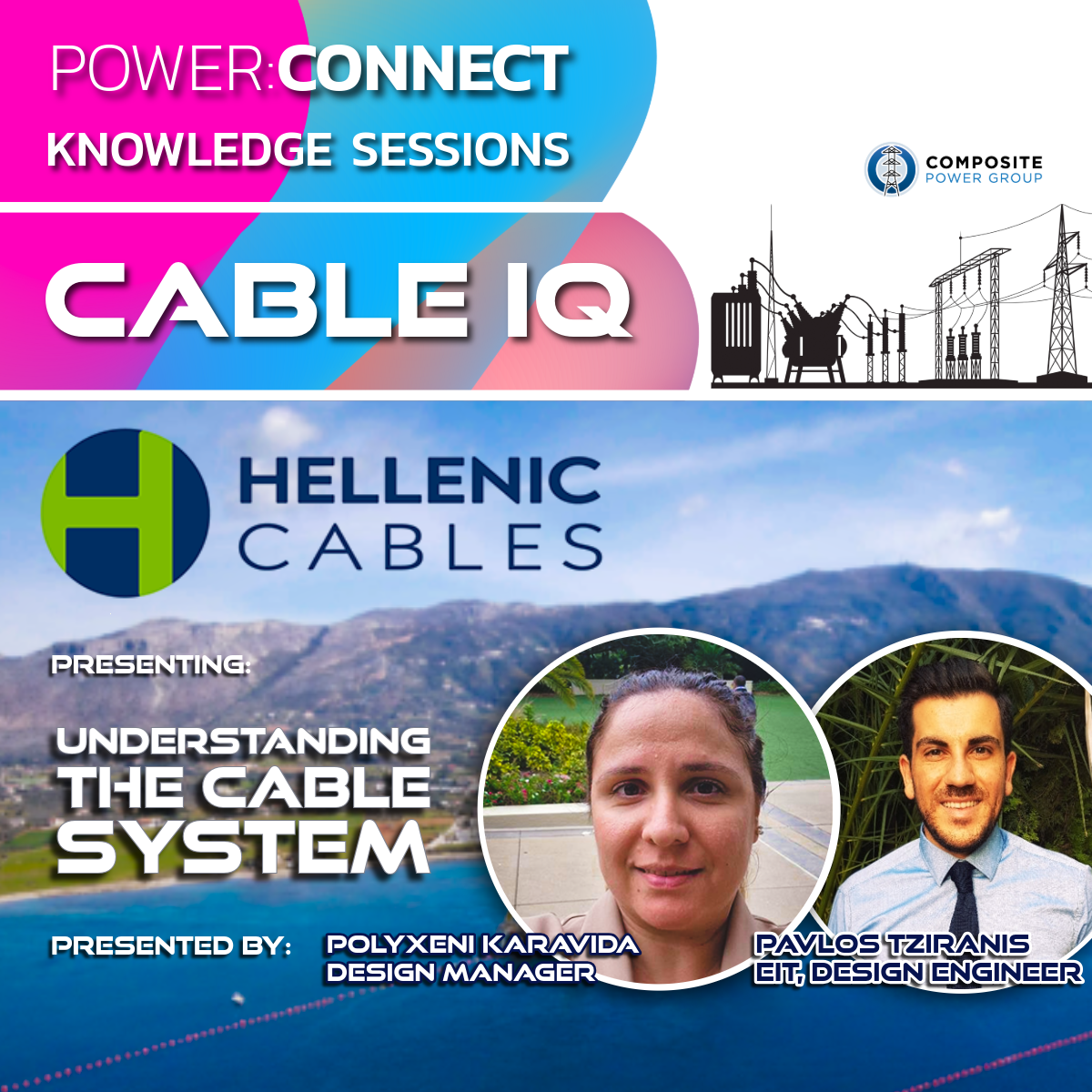
Modern power cables are complex, carefully engineered systems designed to deliver electrical energy safely and reliably over decades of operation. While a cable may appear relatively simple from the outside, its performance depends on the interaction of multiple components, each serving a specific electrical, mechanical, or protective function.
From conductor selection and insulation materials to metallic shielding, water protection, and manufacturing quality, every design decision influences the cable's performance, service life, and suitability for its intended application.
Understanding these elements is essential for utilities, engineers, and project managers responsible for specifying, procuring, and maintaining medium-voltage (MV), high-voltage (HV), and extra-high-voltage (EHV) cable systems.
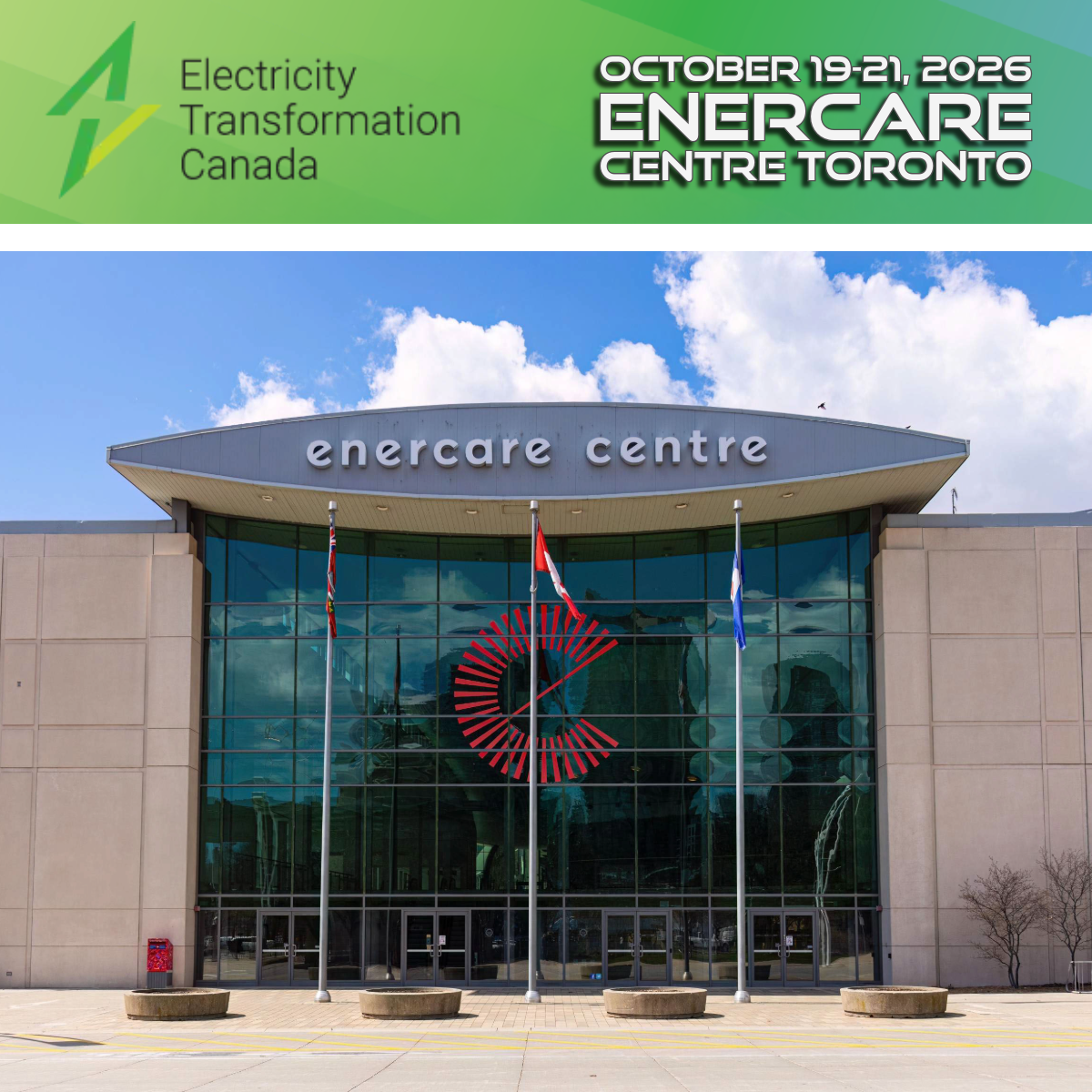
We are pleased to let you know that we are going to the Electricity Transformation Canada 2026, the leading event for the renewable energy and power sectors in Canada. This trade show serves as a center for innovation, collaboration, and shaping the future of the energy transition.
The CIGRE Energy Forum 2026, hosted by AltaLink, is a global platform for energy expertise, dialogue, innovation, and collaboration. This unique forum will bring together the key players in the electric power systems sector: business leaders, system operators, manufacturers, engineers, policymakers, regulators, and academics. Exciting new research will be shared, challenges and opportunities will be discussed, and numerous networking opportunities will enable exchanges with leading professionals from across the energy sector.
The Symposium is a key platform for exchanging technical knowledge, exploring innovative solutions in the energy sector and providing a networking opportunity with global experts and stakeholders.
The IEEE PES conference, organized by the Power & Energy Society (PES) of the Institute of Electrical and Electronics Engineers (IEEE), is a leading event in the power and energy industry. It serves as a platform for professionals, researchers, academics, and industry leaders to exchange knowledge, present research findings, discuss emerging trends, and explore innovative solutions in the field of power and energy engineering. The conference typically features technical sessions, tutorials, panel discussions, keynote speeches, poster presentations, and networking opportunities, covering a wide range of topics including power systems, renewable energy, smart grids, electric vehicles, energy storage, and more.
As utilities and contractors continue to seek safer, faster, and more cost-effective methods for building and maintaining overhead power lines, conductor splicing techniques are gaining renewed interest. While hydraulic compression splicing has been the industry standard for decades, implosive splicing has emerged as a reliable alternative that addresses many of the issues associated with traditional methods.
about us
We have operated as an electrical utility sales representative for over 35 years. In that time, we have become Canada’s leading utility sales representative by diligently representing our manufacturers, and by developing strong, lasting and highly valued customer relationships.
meet our team
Everyone on our team is focused on our customers. Our entire management team takes an active role in working with our customers and our manufacturers. Our inside sales team is proficient with our organizing and administration tools, thus fully supporting the on-the-road reps.
WHY WORK WITH US?
Outsourcing sales to a good rep firm works. In addition to the standard benefits of working with reps we have comprehensive industry knowledge, complete country coverage, and cutting edge support systems. Meet with us to learn more and how we can help your firm grow your sales in Canada!